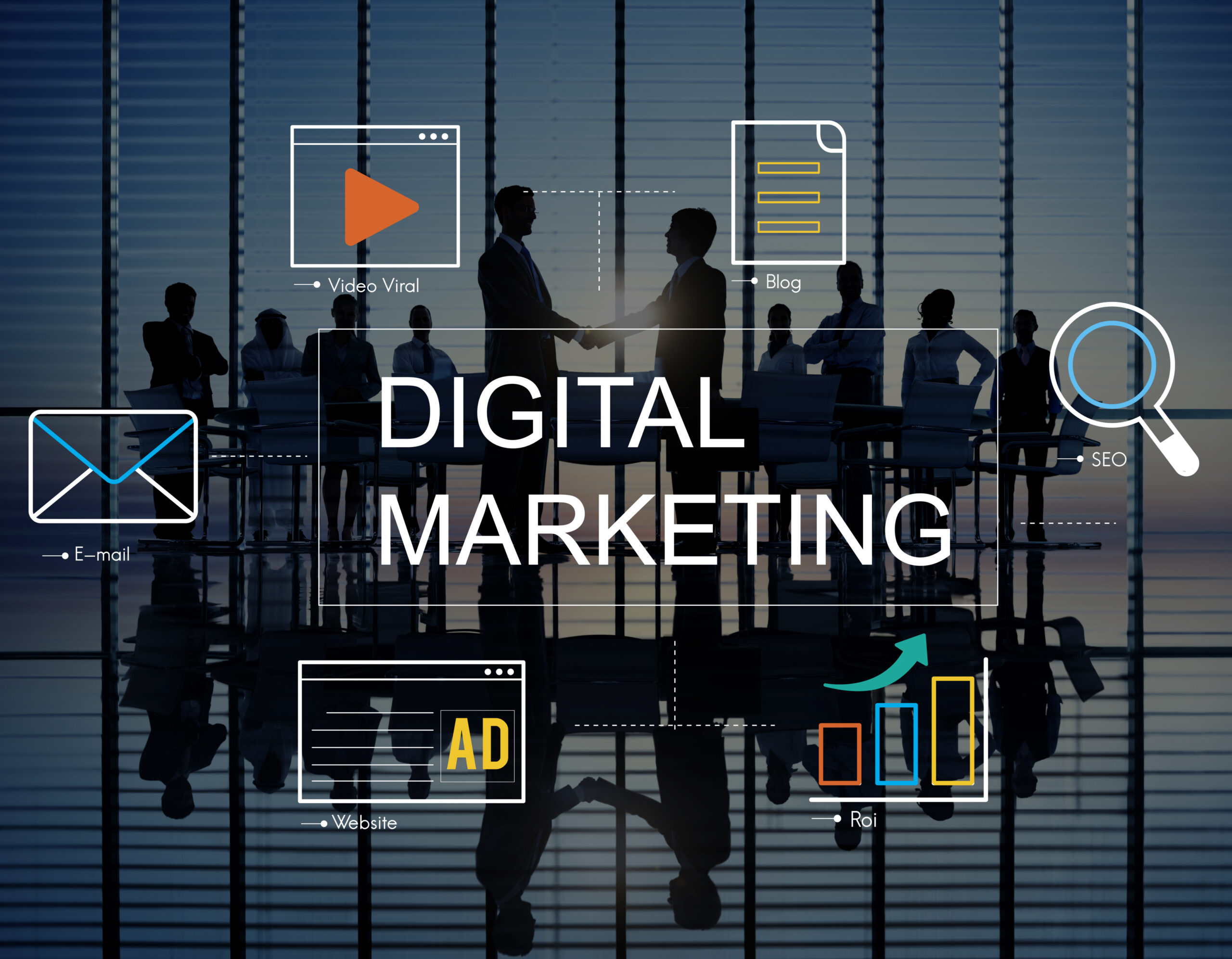
Digital marketing refers to the promotion of products or services using digital channels such as search engines, social media, websites, emails, and mobile apps. It allows businesses to communicate with their audience more effectively, track performance instantly, and build stronger relationships with their customers. Unlike traditional marketing, digital strategies are data-driven, measurable, and highly targeted.
Why Digital Marketing Matters
One of the biggest advantages of digital marketing is its wide reach. With billions of people using the internet daily, businesses can connect with potential customers across different locations and time zones. This makes digital marketing one of the most cost-effective ways to promote a brand.
Another major benefit is precise targeting. Digital platforms allow marketers to target users based on age, interests, location, behavior, and more. This ensures that your message reaches people who are most likely to be interested in your product or service.
Additionally, digital marketing offers real-time analytics. Businesses can track website visits, clicks, sales, and engagement instantly. This data helps marketers understand what works and what doesn’t, allowing for quick adjustments and better results.
Key Components of Digital Marketing
1. Search Engine Optimization (SEO)
SEO is the process of improving your website’s visibility on search engines like Google. When your website ranks higher for relevant keywords, more users will find your business. SEO includes optimizing content, improving website speed, building backlinks, and ensuring mobile-friendliness.
2. Social Media Marketing (SMM)
Platforms like Instagram, Facebook, LinkedIn, and YouTube help brands engage with audiences through creative content. Social media marketing helps build brand awareness, drive website traffic, and create strong community relationships.
3. Content Marketing
Content is at the heart of all digital strategies. Blogs, videos, infographics, and social media posts help educate and engage customers. Quality content positions a brand as an expert in its industry, building trust and long-term connections.
4. Email Marketing
Email marketing is one of the most effective ways to nurture leads and maintain customer relationships. Personalized emails, newsletters, and promotional campaigns can encourage repeat purchases and improve customer loyalty.
5. Pay-Per-Click (PPC) Advertising
PPC ads appear at the top of search engines and social media platforms. Businesses pay only when someone clicks on the ad, making it a cost-efficient advertising method with fast results.